Audix Fireball Reviews: See Why 0 Shoppers Rated It 0 Stars!
The Audix Fireball microphone got a 0/5 from 0 musicians. But the story goes deeper. Hear what the Soundfindr crowd had to say about these Audix microphones.
 Supermod
 Moderator
 Recaptor
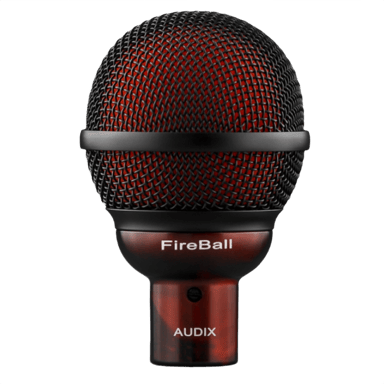
Audix Fireball Dynamic Microphone Review: A Veteran Performer for Live and Studio Use
When it comes to dynamic microphones, especially those designed for professional use on stage and in studios, the Audix Fireball stands as a noteworthy contender. Released in 2005 and made in the United States, this dynamic mic is tailored for live performances, instrument recording, and studio applications, making it versatile for musicians and sound engineers alike.
On paper, its robust cardioid pattern and durable construction signal a microphone built to handle demanding environments with reliability. But does the Audix Fireball really leverage its technical design to deliver quality audio capture and solid performance? Examining its specifications provides a compelling insight into what this well-established model offers.
Detailed Specs & Features That Define the Fireball
Based on its engineering data, the Fireball projects a strong combination of classic build quality and straightforward functionality. The microphone features a handheld form factor designed for ease of use in dynamic environments, complemented by a cardioid polar pattern which prioritizes sound from the front while rejecting unwanted noise from the sides and rear.
This creates clear voice isolation, an important asset in loud venues. Its connection interface is a wired XLR setup, which is standard for professional audio gear, ensuring compatibility with mixers, PA systems, and audio interfaces. The microphone's capsule uses a small diaphragm, which aids in delivering an accurate transient response, measured here as medium, balancing speed with natural tonal character.
Furthermore, its 50 Hz to 16,000 Hz frequency response range covers the critical sounds essential for vocals and instruments, albeit slightly limited on the high end compared to condenser mics. The rugged aluminum body with rugged metal coating enhances durability, while the built-in pop filter and steel grill improve voice clarity and protect the capsule from mechanical stress. Overall, these specs frame the Fireball as a no-nonsense, durable, dynamic microphone with clear intentions toward live and studio versatility.
Design & Build
In daily use, the Fireball's design simplicity is evident but effective. The 4.5 oz weight makes it comfortable for handheld performance over extended periods without fatigue. The 2 x 3.05 x 7.4 inch dimensions are compact enough for tight stage setups yet substantial enough to suggest resilience.
Noteworthy is the inclusion of a swivel-pivot mounting clip allowing easy angle customization, matching different performer and instrument positions. The aluminum body, paired with corrosion resistance and drop resistance, contributes to a reliability that professionals depend on.
Performance
The Fireball's max SPL of 140 dB indicates it can handle high sound pressure sources without distortion, fitting for loud environments, such as close-miked guitar amps or percussion.
Its basic internal preamp and transformerless design suggest minimal coloration of the sound, favoring a natural capture rather than heavily processed tones. While it lacks advanced onboard controls (no gain control, mute, or EQ presets), its cardioid pattern and voice isolation feature work well to reduce unwanted background noise, allowing clear sound capture even in complex surroundings.
Audio Quality
The microphone's frequency response favors midrange richness and balanced lows, which enhance vocal clarity and instrument accuracy. The 23 dB off-axis rejection ensures less bleed from side sounds, making it suitable for stage mixes with multiple sound sources.
Despite the absence of a low-cut filter or adjustable proximity effect, users can expect consistent performance owing to its steady transient response and the internal foam dampening to reduce noise artifacts. Sadly, it does not feature phantom power support, but the passive power source aligns with its dynamic mic category, relying solely on the input device for power.
Extra Features
The Fireball keeps extras minimal but practical. The inclusion of feedback suppression is valuable on noisy stages, while a built-in pop filter reduces plosives effectively without the need for bulky external attachments.
It also incorporates a hum-compensating coil, aiding noise reduction from electrical interference, a key reliability factor for professional users. The detachable cable and mounting clip add convenience when switching between setups or packaging for transport.
Pros & Cons
Pros
- Robust aluminum build with corrosion and drop resistance
- Effective cardioid pattern with solid off-axis rejection
- Integrated pop filter and hum-compensating coil for clear sound
- Detachable cable and swivel-pivot mounting for versatile setup
- Five-year warranty and safety/environmental certifications
Cons
- No phantom power support limits integration with certain studio setups
- Lacks onboard controls such as mute, gain adjustment, or EQ presets
- No built-in shock mount or windscreen, which could affect performance outdoors
- An outdated release year implies missing modern features like USB or wireless options
Price & Value for Money
Listed at $159 at Walmart, the Audix Fireball presents itself as a modestly priced professional microphone. Given its 5-year warranty and military-grade durable aluminum construction, the pricing feels justified for users seeking reliability over flashy features. Compared to newer microphones with extensive digital integration or wireless functionality, it may appear basic.
However, its focused design and quality components make it a smart investment for those prioritizing raw audio clarity and ruggedness. Musicians, sound engineers, and performers looking for a straightforward workhorse mic will find a good balance in its cost versus benefits.
Quick Take
In short, the Audix Fireball efficiently combines rugged hardware with a clear vocal profile, ideal for live and studio uses where durability and consistent sound matter most. If we look at the numbers alone, its generous frequency range and max SPL capability reflect a microphone built to withstand professional demands without compromising tone. While it lacks modern digital features, its core performance remains true to the expectations of a seasoned dynamic mic.Closing Recommendation
The Audix Fireball may be ideal for professional musicians and audio technicians seeking a reliable, no-frills dynamic microphone with proven durability and solid sound isolation. It appears to perform best in controlled environments and live stages where feedback suppression and off-axis rejection are critical. While it helps users achieve clear and natural sound capture, those needing advanced controls or USB compatibility might explore more contemporary models.Verdict
Rating: Based on the specifications and overall feature set, we believe Audix Fireball deserves 4.2 out of 5.
- Winner Feature => Exceptional durability combined with effective cardioid isolation makes it a stage and studio staple.
- Needs Improvement => Could benefit from updated onboard controls and wider connectivity options for modern workflows.
Reviews 0
The good, the bad, and the brutally honest.Average Rating


More Microphones 1229
Unlock more awesome finds.